When you’re dealing with severe tooth pain or infection, one of the most common questions your dentist may discuss with you is root canal vs extraction. Both treatments can eliminate infection and relieve discomfort, but they serve different purposes and have different long-term effects on your oral health. If you’re unsure which option is right for you, this guide will help you understand the differences so you can make an informed decision.
What Is a Root Canal?
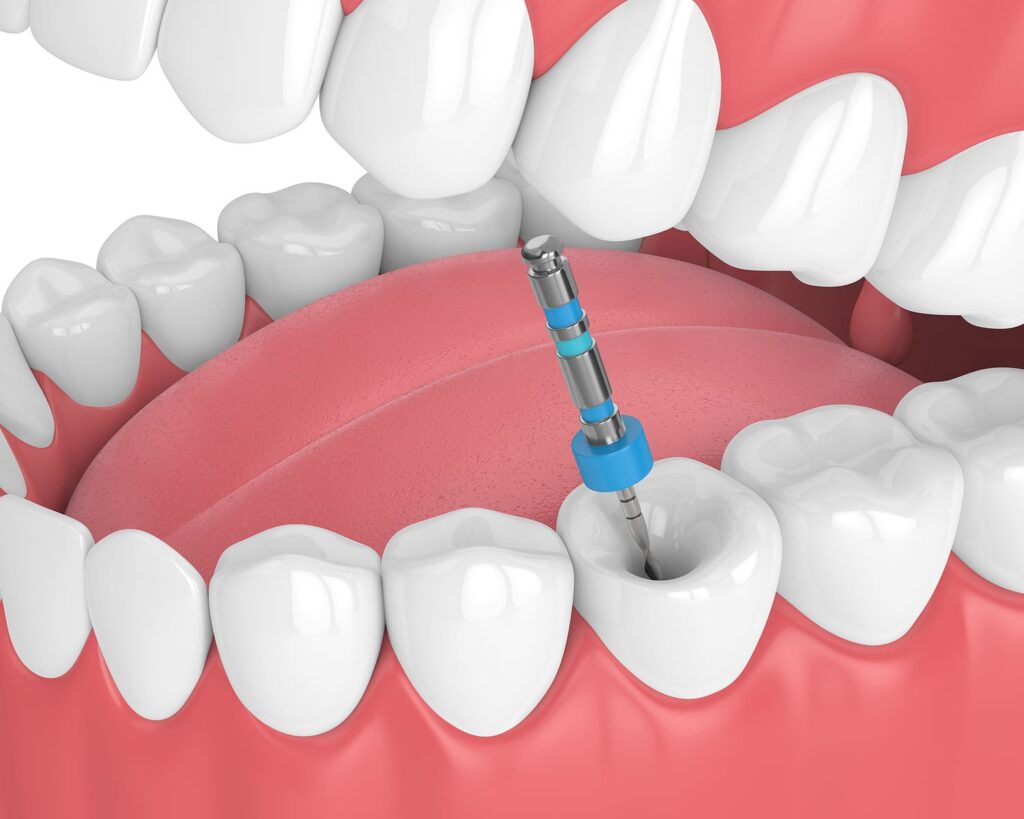
A root canal is a restorative dental procedure that saves a tooth that has become severely infected or inflamed. Inside each tooth is soft tissue called pulp, which contains nerves and blood vessels. When bacteria enter the pulp due to deep decay, cracks, or trauma, infection can develop. During a root canal procedure:
- The infected pulp is removed.
- The inside of the tooth is carefully cleaned and disinfected.
- The canals are sealed to prevent reinfection.
- A crown is usually placed on top to restore strength and function.
Despite its reputation, modern root canal treatment is comfortable and highly effective. Most patients feel relief from pain shortly after the procedure. The biggest advantage in the root canal vs extraction discussion is that a root canal allows you to keep your natural tooth.
What Is a Tooth Extraction?
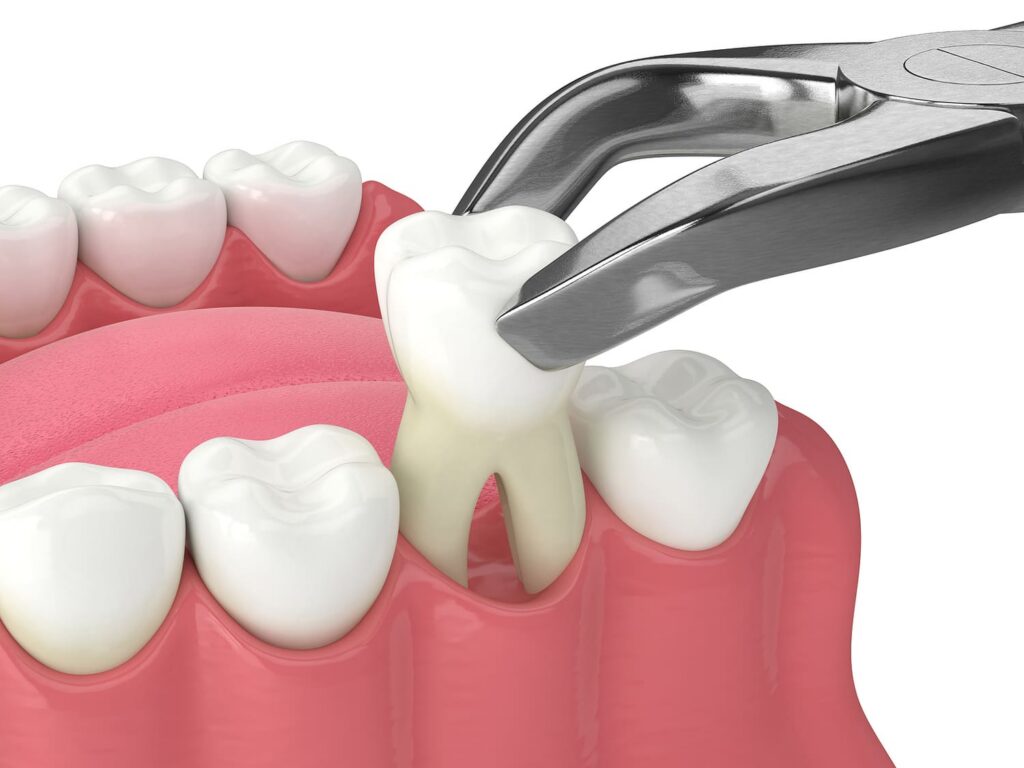
A tooth extraction involves completely removing a tooth from its socket. This may be necessary when a tooth is too damaged to repair or when infection has severely compromised its structure. After an extraction, the empty space may need to be restored with a replacement option such as a dental implant or bridge to maintain proper alignment and bite function. Extraction can be the right solution in cases where:
- The tooth is fractured below the gum line.
- Severe decay has destroyed most of the structure.
- Advanced infection cannot be resolved.
- There is significant bone loss.
While extraction eliminates the immediate problem, it does remove your natural tooth permanently.
Root Canal vs Extraction: Key Differences
Understanding root canal vs extraction comes down to long-term goals and oral health preservation.
| Factor | Root Canal | Extraction | Professional Insight |
| Preservation of Natural Tooth | Preserves your original tooth, maintaining bite, chewing efficiency, and jawbone integrity. | Tooth is completely removed, which may affect bite and jawbone health over time. | Keeping your natural tooth whenever possible is usually preferable for long-term oral health. |
| Appearance & Function | When paired with a crown, the tooth looks and functions like a natural tooth. | Tooth removal may require a replacement (dental implant, bridge, or denture) to restore function and aesthetics. | Root canal + crown often provides a seamless look and natural function without additional procedures. |
| Long-Term Cost | May be higher upfront, but often more cost-effective over time as it avoids replacement costs. | Lower initial cost, but replacement procedures (implant, bridge) can significantly increase total expense. | Consider the total cost over several years, not just immediate treatment fees. |
| Recovery Time | Recovery is typically mild, with minimal discomfort; normal function resumes quickly. | Healing may take longer, especially if additional procedures like implants or bone grafts are needed. | Patients should factor in downtime and additional treatments when choosing extraction. |
| Impact on Jawbone & Oral Health | Maintains jawbone structure and prevents shifting of adjacent teeth. | Bone loss may occur in the extraction site, potentially affecting adjacent teeth and facial structure. | Preservation of bone is critical for overall oral health and future dental options. |
| Risk of Complications | Rare complications include persistent infection or need for retreatment. | Extraction may lead to dry socket, infection, or complications with replacement procedures. | Risk management favors tooth preservation if feasible, but extraction may be necessary in severe decay or damage. |
When Is a Root Canal the Better Choice?
In many cases, dentists prefer to save a natural tooth whenever possible. A root canal may be ideal if:
- The tooth structure is still strong enough to support a crown.
- The infection is confined to the pulp.
- You want to avoid tooth replacement procedures.
- Maintaining your natural bite is important.
Preserving your natural tooth helps prevent shifting of nearby teeth and reduces stress on surrounding structures. At Hudson Valley Dental Medicine in Cortlandt Manor, NY, restorative treatments are designed to save teeth whenever feasible.
When Is Extraction the Right Option?
Sometimes, saving the tooth is not possible. Extraction may be recommended if:
- The tooth is severely broken or cracked.
- There is extensive bone loss around the tooth.
- The infection has spread and compromised the tooth beyond repair.
- Orthodontic or prosthetic planning requires removal.
If extraction is necessary, replacing the missing tooth is important. Hudson Valley Dental Medicine offers dental implants in Cortlandt Manor, NY, providing a durable and natural-looking replacement option.
Services That Support Your Decision
Hudson Valley Dental Medicine provides comprehensive care to help patients address both infection and tooth replacement needs.
Restorative Dentistry
This service includes treatments such as fillings, crowns, and root canal therapy designed to repair damaged teeth and restore function.
Dental Implants
If a tooth must be removed, dental implants offer a long-lasting solution that mimics the appearance and strength of natural teeth. Both services are provided by Hudson Valley Dental Medicine with a focus on patient comfort and long-term oral health. At Hudson Valley Dental Medicine, patients receive personalized care designed to protect and restore their smiles. Located in Cortlandt Manor, NY, the practice focuses on preserving natural teeth whenever possible while offering reliable solutions when removal is necessary.
Making the Right Decision for You
There is no one-size-fits-all answer in the root canal vs extraction debate. The best option depends on:
- The severity of the infection
- The condition of the tooth structure
- Your overall oral health
- Your budget and long-term goals
A thorough dental exam, including X-rays, will determine whether the tooth can be saved. Your dentist will explain the benefits and risks of each option so you can make a confident decision. In most situations, saving your natural tooth is preferred. However, when a tooth cannot be preserved, extraction followed by proper replacement can still provide excellent results.
Frequently Asked Questions
1. Is a root canal more painful than an extraction?
No. Both procedures are performed with local anesthesia and are generally comfortable. Most patients report relief from pain after treatment.
2. How long does a root canal last?
With proper care and a crown, a root canal-treated tooth can last many years, often a lifetime.
3. What happens if I don’t replace an extracted tooth?
Missing teeth can cause neighboring teeth to shift, leading to bite problems and bone loss. Replacing the tooth helps maintain oral health.
4. Is extraction cheaper than a root canal?
Extraction may cost less upfront, but replacing the tooth can increase overall expenses. A root canal may be more cost-effective long-term.
5. Can an infected tooth heal on its own?
No. Once the pulp is infected, professional treatment such as a root canal or extraction is necessary to eliminate the infection.
Get Expert Guidance Today
If you’re experiencing tooth pain and wondering about root canal vs extraction, don’t wait for the problem to get worse. Early treatment can prevent complications and protect your smile. Our experienced team at Hudson Valley Dental Medicine in Cortlandt Manor, NY is here to evaluate your condition, explain your options clearly, and provide comfortable, high-quality care. Schedule your appointment today and take the first step toward lasting relief and a healthier smile.