
Teeth Whitening Options: Which One Works Best for You?

Teeth whitening has become one of the most popular ways to improve your smile. With so many options available, it’s easy to feel unsure about what works best. Some treatments promise fast results, while others focus on gradual whitening with fewer side effects. Before choosing a method, it helps to understand the benefits and limitations of each one.

If you’re considering teeth whitening in Cortlandt, NY, Hudson Valley Dental Medicine offers professional solutions designed to brighten your smile safely and effectively. This guide explores various options and helps you figure out which one matches your goals, habits, and schedule.

Why Teeth Lose Their Natural Color

Teeth stain over time due to food, drinks, age, and lifestyle habits. Coffee, tea, red wine, and dark berries can dull your enamel. Tobacco use also speeds up discoloration. Even if you brush regularly, some stains remain deep in the enamel and won’t go away with routine cleaning. Whitening targets those deep stains and removes years of discoloration.

Types of Teeth Whitening Options

Different whitening treatments serve different needs. The choice depends on how fast you want results, your sensitivity levels, and how much maintenance you’re willing to commit to.

In-Office Whitening

This professional treatment happens in the dental office. A whitening gel with high-concentration peroxide is applied to your teeth. The dentist might use a special light to activate the gel and speed up the process.

Why It Works

  • Fast results, often in just one session
  • Strongest whitening agents available
  • Supervised by a dental professional

What to Consider

  • Costs more than other methods
  • May cause short-term sensitivity
  • Works best for yellow-toned stains, not grey or brown

Patients who want fast, noticeable results often choose this option. If you have a wedding, event, or important meeting coming up, in-office whitening makes a strong impression in little time.

Over-the-Counter Whitening Strips

You can find whitening strips in most pharmacies. They stick to your teeth and contain a thin layer of peroxide gel.

Why It Works

  • Affordable and easy to buy
  • Suitable for mild staining
  • Convenient to use at home

What to Consider

  • May not reach all areas of the teeth
  • Not designed for long-term results
  • One-size-fits-all shape can cause uneven whitening

Whitening strips help if your teeth have light stains and you want a simple way to enhance your smile. They’re not a long-term fix but can offer a quick boost.

Whitening Toothpastes and Rinses
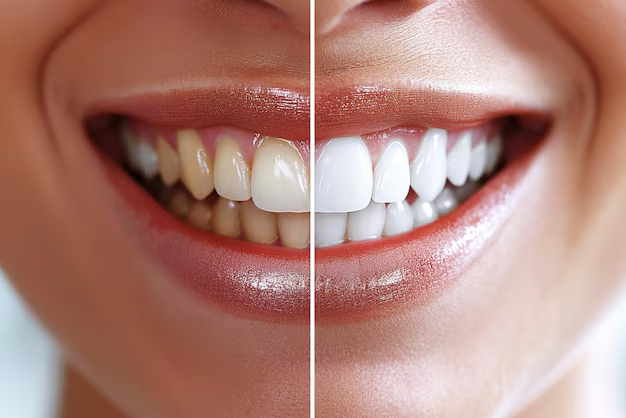
teeth whitening in Cortlandt, NY

These products contain mild abrasives that scrub surface stains. Some also include small amounts of peroxide.

Why It Works

  • Easy to add to your daily routine
  • Inexpensive
  • Helps maintain results after other whitening treatments

What to Consider

  • Does not whiten deep stains
  • Takes several weeks to notice any change
  • Works better as a maintenance tool

Whitening toothpaste or rinse won’t create a dramatic difference, but they help extend the life of your professional treatment.

Natural Remedies

Some people try baking soda, charcoal, or oil pulling as natural whitening methods. These options often appear in DIY videos and blogs.

Why It Works

  • Minimal cost
  • Easy to try at home

What to Consider

  • Lack of scientific support
  • May damage enamel with overuse
  • Slower and less predictable results

Natural remedies can be risky when used without guidance. Scrubbing your teeth with harsh substances can wear down enamel, which leads to sensitivity or damage. Always check with a dentist before trying these methods.

How to Choose the Best Whitening Option

You don’t need to guess which method suits you. The right whitening plan depends on several factors, and your dentist can guide you through the decision.

Consider Your Goals

Do you want a brighter smile for a specific event, or are you looking for long-term whitening? Fast-track options like in-office treatment work well for quick results, while take-home kits offer slow, steady progress.

Think About Your Habits

If you drink coffee daily or smoke, you might need stronger whitening and more upkeep. Regular touch-ups will help keep your smile white longer.

Know Your Sensitivity Level

Some people feel tooth pain or gum irritation during whitening. If you have a history of sensitivity, your dentist may suggest a lower-strength option that works more gently over time.

Budget Matters

Over-the-counter products are cheaper upfront, but they offer limited results. Professional whitening lasts longer and provides a better return on your investment. Hudson Valley Dental Medicine offers solutions at various price points, so you can choose what fits your situation.

How Hudson Valley Dental Medicine Can Help
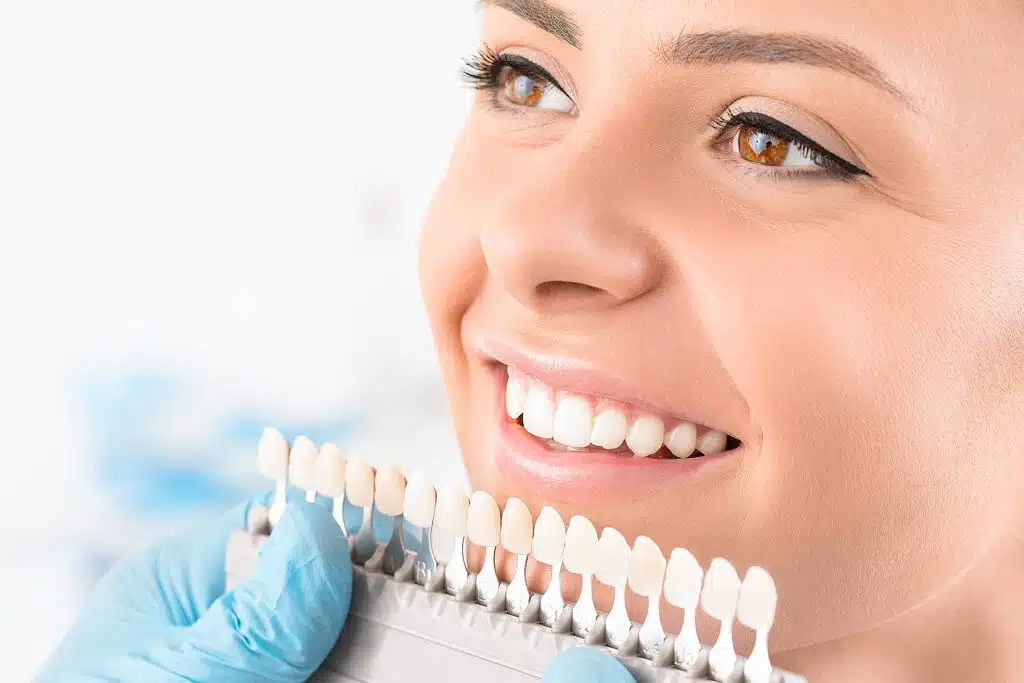
Teeth Whitening

Hudson Valley Dental Medicine provides in-office whitening that deliver noticeable results without harming your enamel. Dr. Francis Turturro and the team use safe and effective materials to brighten your smile while addressing sensitivity and tooth health.

The office also offers follow-up care and guidance on how to maintain your results. Contact us today to set an appointment and explore whitening options and read what other patients have to say. You can also call the office directly to ask questions or set up a time to talk in person.

Schedule Your Appointment Today

If you’re ready for a whiter smile, Hudson Valley Dental Medicine can help you find the right solution. Book your appointment to speak with Dr. Turturro about your goals and learn what method fits your needs. Contact us online or over the phone to get started.

Final Thoughts

Teeth whitening offers a boost in confidence and appearance when done correctly. Several methods exist, but not all work the same for every smile. Whether you choose in-office treatment or a take-home kit, working with a trusted dental provider gives you better, safer results. Hudson Valley Dental Medicine helps patients in Cortlandt, NY, choose whitening options that deliver real change.

FAQs

How long do whitening results last?

It depends on your diet, habits, and oral hygiene. Most results last six months to two years with proper care.

Does whitening damage teeth?

When done under professional guidance, whitening does not harm your enamel.

Can I whiten crowns or fillings?

No. Whitening products only work on natural teeth. Your dentist can recommend other ways to improve the look of crowns or fillings.

How soon can I eat or drink after whitening?

Wait at least one hour. Avoid dark foods and drinks for the first 24 hours to protect your results.

Can I do whitening if I have sensitive teeth?

Yes. Your dentist can use low-sensitivity options and adjust the process to keep you comfortable.
The Truth About Teeth Whitening: Safety Myths vs. Facts

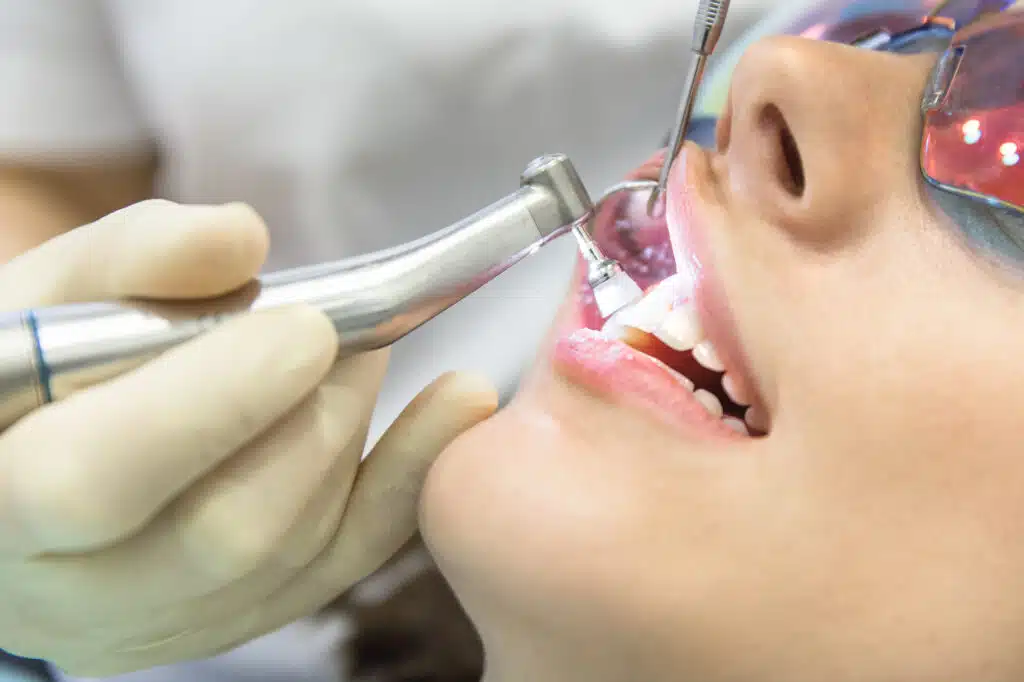
 truth about teeth whitening

A bright smile can boost confidence, but concerns about safety often create hesitation. The truth about teeth whitening is surrounded by myths, leaving many unsure of what’s safe and what isn’t. Understanding the facts helps you achieve a radiant smile without worry.

What Makes Teeth Whitening Work

Teeth whitening relies on specific chemical processes to remove stains and improve the appearance of your teeth. The active ingredients, hydrogen peroxide and carbamide peroxide, penetrate the enamel and break apart molecules that cause discoloration. This process targets surface stains and those deeper within the tooth, effectively lightening its natural shade. When used correctly, these agents work without damaging the tooth structure, making them safe for most people.

Common Myths About Teeth Whitening

Teeth whitening comes with several misconceptions. Here are the most common myths and the reality behind them:

  • It damages enamel permanently: Many believe whitening products strip away enamel, but research shows they are safe when used as directed.
  • Only dentists can whiten teeth safely: While professional whitening is effective, over-the-counter products can also deliver safe results when applied properly.
  • Whitening makes teeth weaker over time: Whitening doesn’t compromise the strength of your teeth. Any sensitivity caused by whitening is usually temporary and not linked to damage.

Separating Myths from Facts

Understanding the truth behind teeth whitening myths can help you make informed decisions:

  • Professional vs over-the-counter products: Both options can be safe and effective. Professional treatments may offer faster results, while at-home kits provide convenience.
  • Following directions matters: Misusing whitening products, like overusing them, can cause temporary sensitivity. Always follow the recommended guidelines to avoid discomfort.
  • Sensitivity can be managed: Whitening products may cause mild sensitivity, but this is often short-term. Using desensitising toothpaste or consulting your dentist can help reduce it.

Can Teeth Whitening Harm Your Enamel

Teeth whitening products do not harm enamel when used as directed. Studies show that the active ingredients in whitening agents, like hydrogen peroxide, only affect the stains on the surface of the teeth. Enamel remains intact during the process. Problems may arise when products are overused or incorrectly applied, leading to temporary sensitivity or irritation. Following instructions and avoiding overuse ensures whitening remains safe and effective.

Tips for Safe Teeth Whitening

You can whiten your teeth safely with a few simple practices.

  • Choose dentist-recommended products: Always pick products approved by dental professionals to ensure safety and effectiveness.
  • Avoid excessive treatments: Repeating treatments too often can cause unnecessary sensitivity. Stick to the recommended frequency.
  • Consult professionals for advice: Dentists can help you choose the best option for your teeth and address any concerns.

Maintaining these habits can help you achieve a brighter smile without risking your oral health.

When to See a Professional

Certain situations call for professional guidance to ensure safe and effective teeth whitening.

  • Persistent stains: If stains don’t respond to over-the-counter products, they may need professional treatment. A dentist can identify underlying causes and recommend solutions.
  • Tooth sensitivity: Whitening products can cause temporary sensitivity, but persistent discomfort could indicate other issues. A dentist can evaluate your teeth and provide appropriate care.
  • Gum irritation: Redness or soreness around the gums after using whitening products could mean improper application or a reaction to the product. Professional advice ensures proper usage and safety.

Consulting a dentist helps address these concerns and ensures you achieve the desired results without unnecessary risks.

Achieve a Radiant Smile with Hudson Valley Dental Medicine

Here at Hudson Valley Dental Medicine, we understand the importance of a bright, confident smile. Our experienced team offers safe and effective teeth whitening solutions tailored to your needs. We use advanced techniques to ensure optimal results while prioritizing your oral health.

Don’t let persistent stains or sensitivity hold you back. Schedule a consultation with us today to explore your whitening options and embark on the journey to a more luminous smile.

Contact us now to book your appointment and take the first step toward a brighter, healthier smile.

FAQs About Teeth Whitening

How long do teeth whitening results last?

Teeth whitening results typically last between six months to two years, depending on your oral care routine and lifestyle habits. Avoiding staining foods and drinks like coffee, tea, and red wine helps maintain results longer.

Can teeth whitening remove all types of stains?

Teeth whitening is most effective on surface stains caused by food, drinks, or smoking. Stains caused by trauma, medications, or enamel defects may not respond to whitening and may require alternative treatments like veneers.

Is whitening safe during pregnancy?

Most dentists recommend avoiding teeth whitening during pregnancy due to the lack of sufficient studies on its safety for expectant mothers and their babies. Consult your dentist for advice.

Will teeth whitening work on crowns, veneers, or fillings?

Teeth whitening does not affect the colour of crowns, veneers, or fillings. These materials cannot be whitened, so if they no longer match your natural teeth, you may need to replace them.

How soon can I eat or drink after whitening?

After whitening, avoid consuming staining foods and drinks like coffee, wine, or tomato sauce for at least 24 hours. Teeth are more porous during this time and can easily pick up stains.

Can children or teenagers use teeth whitening products?

Whitening is not usually recommended for children under 16 because their teeth and enamel are still developing. Always consult a dentist before considering whitening for younger patients.

How do I deal with uneven whitening results?

Uneven whitening can occur due to plaque build-up or natural variations in tooth colour. A professional cleaning before whitening or additional treatments may help achieve more uniform results. Consult your dentist for personalised solutions.

Looking for a Dentist?

We’re always welcoming new patients! At our practice, we’re committed to delivering exceptional care to every patient—both new and existing. Experience the difference and see what sets us apart.
Current Patient:

914-737-5421

New Patient:
914-604-4706

© 2026 Hudson Valley Dental Medicine | Orthodontic Marketing & Website Design by Ortho Marketing | Privacy Policy