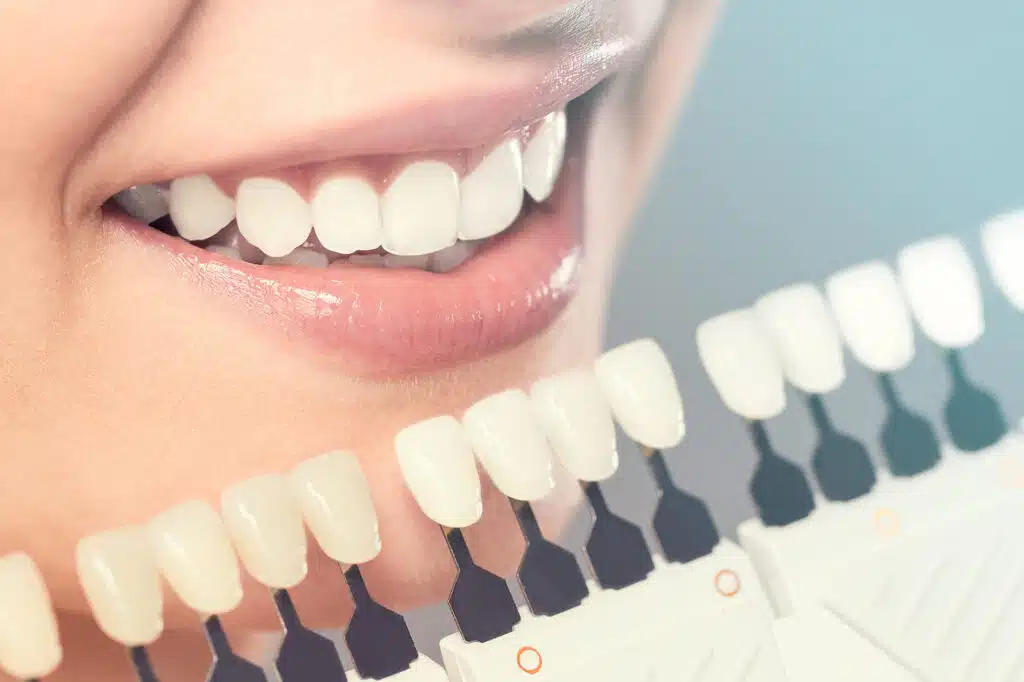
Teeth Whitening Options That Actually Work

What Are Your Teeth Whitening Options

A bright, white smile is often associated with good health, confidence, and youth. Unfortunately, teeth can lose their natural brightness over time due to everyday habits like drinking coffee, tea, or red wine, smoking, or simply aging. With so many whitening products and trends available today, it can be hard to know which options truly deliver results and which ones fall short. In this guide, we’ll break down teeth whitening options that actually work, explain why professional teeth whitening remains the most effective choice, and show how expert dental care can help you achieve a noticeably brighter smile safely and comfortably.

Why Teeth Become Discolored Over Time

Understanding why teeth discolor can help you choose the right whitening solution. Tooth stains typically fall into two categories:

  • Extrinsic stains – Surface stains caused by foods, drinks, tobacco, and poor oral hygiene
  • Intrinsic stains – Deeper discoloration that develops inside the tooth due to aging, medications, trauma, or genetics

While over-the-counter whitening products may help with mild surface stains, they often struggle to address deeper discoloration. That’s why choosing the right teeth whitening approach matters.
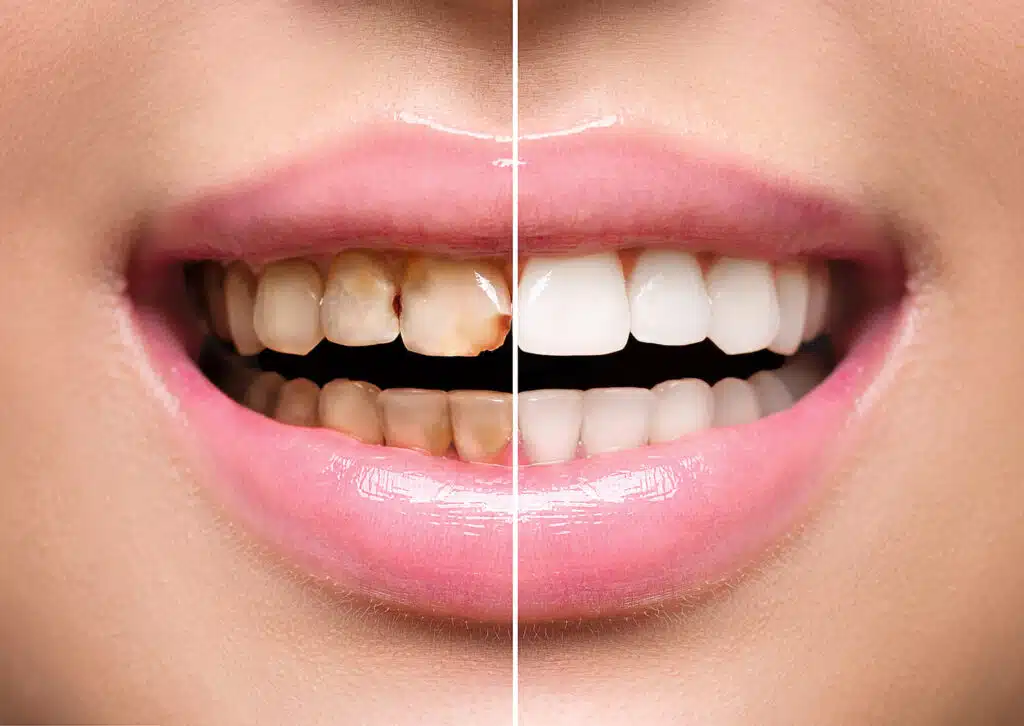
Why Professional Teeth Whitening Works

Do Teeth Whitening Products Really Work?

Many people start with store-bought whitening strips, gels, or toothpaste. These products can offer limited improvement, but the results are usually subtle and short-lived. Their whitening agents are intentionally weaker to avoid misuse, which means they may not deliver the bright smile most patients want. For noticeable, long-lasting results, dental-grade treatments are typically far more effective.

Why Professional Teeth Whitening Delivers Better Results

Professional teeth whitening is widely considered the gold standard for safe and effective smile enhancement. These treatments are performed or supervised by trained dental professionals who understand how to whiten teeth without damaging enamel or irritating gums. Key benefits include:

  • Stronger, more effective whitening agents
  • Customized treatment plans based on your tooth condition
  • Faster results compared to at-home products
  • Reduced risk of sensitivity or uneven whitening

This personalized approach allows patients to achieve a brighter smile with predictable, reliable results.

What Are Your Options for Teeth Whitening

1. In-Office Whitening Treatments

In-office whitening is one of the fastest and most powerful options available. During this procedure, a high-strength whitening gel is carefully applied to the teeth. The treatment typically takes about an hour and can lighten teeth by several shades in a single visit. This option is ideal for patients who want immediate results for special events like weddings, job interviews, or important social gatherings.

2. Dentist-Supervised At-Home Whitening

For patients who prefer whitening on their own schedule, dentist-provided take-home kits offer excellent results. These kits include custom-fitted trays and professional-grade whitening gel designed to be used safely at home. Unlike store-bought kits, custom trays ensure even coverage and reduce gum irritation, making this option both effective and comfortable.

3. Combination Whitening Treatments

Some patients choose a combination of in-office whitening followed by at-home maintenance. This approach offers dramatic initial results with the ability to maintain brightness over time. It’s an excellent solution for patients who want long-lasting whitening benefits.

Our Dental Services at Hudson Valley Dental Medicine

Here are two key services available at Hudson Valley Dental Medicine that support both smile aesthetics and oral health:

Professional Teeth Whitening in Cortlandt Manor, NY

This cosmetic dentistry service focuses on lifting stains and discoloration while protecting your enamel. Patients receive customized treatment plans that deliver noticeable whitening results with minimal sensitivity.

Cosmetic Dentistry Services in Cortlandt Manor, NY

In addition to whitening, Hudson Valley Dental Medicine offers cosmetic solutions such as veneers and smile enhancements that can improve tooth color, shape, and alignment for patients seeking a complete smile transformation.

How Long Do Whitening Results Last?

The longevity of whitening results depends on your habits and oral hygiene routine. With proper care, professional whitening results can last several months to over a year. To maintain a brighter smile:

  • Brush and floss daily
  • Avoid tobacco products
  • Limit staining foods and beverages
  • Schedule regular dental cleanings
  • Follow your dentist’s maintenance recommendations

Is Teeth Whitening Safe?

When done correctly, teeth whitening is considered safe for most patients. Professional treatments are designed to protect tooth enamel and gums while delivering effective results. Patients with restorations, severe sensitivity, or underlying dental issues should consult a dentist to determine the best whitening approach.

Frequently Asked Questions (FAQs)

1. How effective is professional teeth whitening?

Professional whitening is highly effective and can lighten teeth several shades in a short period of time, especially compared to over-the-counter options.

2. Will whitening damage my teeth?

When performed under dental supervision, whitening does not damage enamel. Dentists use safe concentrations and techniques to protect your teeth.

3. Can all stains be removed with whitening?

Surface stains respond best to whitening. Deep intrinsic stains may require alternative cosmetic treatments such as veneers.

4. Does whitening cause tooth sensitivity?

Some patients experience mild, temporary sensitivity, which usually resolves within a few days. Dentists can recommend products to reduce discomfort.

5. How often can I whiten my teeth?

Most patients only need whitening once or twice a year, depending on lifestyle habits and maintenance routines.

Brighten Your Smile with Confidence

If you’re ready to enhance your smile and boost your confidence, Hudson Valley Dental Medicine is here to help. Their experienced dental team offers professional teeth whitening and cosmetic solutions designed to deliver real, lasting results. Schedule your consultation today and take the first step toward a brighter, more confident smile. Visit Hudson Valley Dental Medicine in Cortlandt Manor, NY, and discover teeth whitening options that actually work.

Cost of Dental Implants in New York: What to Expect

Cost of dental implants in New York
Dental implants have become one of the most reliable and natural-looking solutions for replacing missing teeth. If you are researching treatment options, understanding the dental implant cost in NY is an important step before moving forward. Costs can vary significantly based on several factors, and knowing what influences pricing can help you plan with confidence. This guide explains what dental implants are, what affects their cost in New York, and how Hudson Valley Dental Medicine supports patients throughout the process.

What Are Dental Implants?

Dental implant are artificial tooth roots, typically made of titanium, that are placed into the jawbone to support a replacement tooth. Once healed, an implant is topped with a custom crown, bridge, or denture designed to blend seamlessly with your natural teeth. Unlike traditional dentures, implants are fixed in place and function much like real teeth.

Because dental implants integrate with the jawbone, they help maintain bone structure, prevent shifting of nearby teeth, and restore both function and appearance. This long-term benefit is one of the reasons many patients feel the investment is worthwhile.

Average Dental Implant Cost in NY

The dental implant cost in NY varies based on treatment complexity, materials, and individual needs. On average, New York pricing is higher than in some other states due to operating costs, advanced technology, and provider expertise.

Typical Dental Implant Costs in New York

  • Single dental implant (implant, abutment, and crown):
    $3,000 to $7,500 per tooth
  • Implant-supported bridge (multiple teeth):
    $7,000 to $15,000+
  • Full-arch dental implants (All-on-4 or All-on-6 – per arch):
    $20,000 to $35,000+
  • Full-mouth dental implants (upper and lower arches):
    $25,000 to $60,000+

These ranges represent typical costs for comprehensive implant care in New York and may increase if additional procedures are required.

Single Dental Implant vs Full-Arch Dental Implants: Cost Comparison

Understanding the difference between replacing one tooth and restoring an entire arch can help patients better evaluate the dental implant cost in NY.

Single Dental Implant

A single dental implant is ideal for patients missing one tooth with healthy surrounding teeth.

Estimated cost:

  • $3,000 to $7,500 

This option restores appearance and function while preventing bone loss in the area of the missing tooth. With proper care, a single implant can last decades.

Full-Arch Dental Implants

Full-arch dental implants replace an entire row of teeth using several strategically placed implants to support a fixed restoration.

Estimated cost:

  • $20,000 to $35,000+ per arch
  • $25,000 to $60,000+ for full-mouth restoration 

Although the overall cost is higher, full-arch implants are often more cost-effective than placing individual implants for every missing tooth. They also provide superior stability, comfort, and confidence compared to traditional dentures.

Factors That Affect Dental Implant Pricing

1. Number of Implants Needed

Replacing one missing tooth costs less than restoring multiple teeth. Patients who need several implants or a full-arch solution will see a higher overall treatment cost.

2. Preparatory Treatments

Some patients require additional procedures before implants can be placed. These may include tooth extractions, bone grafting, or gum therapy. These steps ensure a stable foundation but add to the total cost.

3. Type of Restoration

A single crown, an implant-supported bridge, or a full denture will each have different pricing. More complex restorations require additional materials and laboratory work.

4. Materials Used

Most implants are made from titanium, which is durable and biocompatible. In some cases, alternative materials or premium restorations may influence pricing.

5. Experience and Technology

Dentists who use advanced imaging, digital planning, and precise placement techniques often provide more predictable outcomes. This expertise may slightly increase costs but can improve long-term success.

Understanding these factors helps patients see why the dental implant cost in NY is not a one-size-fits-all number.

Does Dental Insurance Cover Dental Implants?

Dental insurance coverage is an important consideration when evaluating the dental implant cost in NY. While coverage varies by plan, most insurance providers offer limited coverage for implant treatment.

What Insurance May Help Cover

  • Implant crowns
  • Tooth extractions
  • Diagnostic exams and imaging
  • Some preparatory treatments

Most dental plans have annual maximums ranging from $1,000 to $2,000, which can help reduce out-of-pocket costs.

What Insurance Typically Does Not Cover

  • Implant surgical placement
  • Bone grafting or sinus lifts
  • Full-arch implant restorations

A pre-treatment estimate is recommended so patients know exactly what their insurance will contribute before starting treatment.

Dental implant costFinancing Options for Dental Implants
Because the dental implant cost in NY can be a significant investment, many patients choose financing to make treatment more manageable.

Common Financing Options

  • Monthly payment plans
  • Third-party healthcare financing
  • Phased treatment approaches

Financing allows patients to restore their smiles without delaying care due to budget concerns.

Why Financing Makes Sense

Dental implants are a long-term solution that can reduce future dental expenses related to repairs, replacements, and discomfort. Financing helps patients invest in lasting oral health while maintaining financial flexibility.

Why Dental Implants Are a Long-Term Investment

Although dental implants may have a higher upfront cost compared to bridges or dentures, they often last much longer. Traditional options may need replacement every several years, while implants can last decades with proper care.

Implants also help preserve jawbone health, prevent facial sagging, and maintain a more youthful appearance. Many patients feel the comfort, stability, and confidence they gain outweigh the initial expense.

Dental Implant Services at Hudson Valley Dental Medicine

Hudson Valley Dental Medicine provides comprehensive restorative dental care with a strong focus on personalized treatment. Patients receive detailed evaluations and customized implant plans designed around their oral health needs.

Highlighted Services and Locations

Dental Implant Restorations
Hudson Valley Dental Medicine offers dental implant restorations to replace missing teeth and restore oral function. These restorations are custom-designed to look natural and support long-term dental health.

Preventive Dentistry and Cleanings
Preventive care plays a vital role in maintaining both natural teeth and dental implants. Regular cleanings and exams help protect your investment and prevent future complications.

Both services are provided at Hudson Valley Dental Medicine’s Cortlandt Manor location, allowing patients to receive consistent care under one roof.

Frequently Asked Questions

1. How much does a single dental implant cost in New York?

A single dental implant in NY typically costs $3,000 to $7,500, including the implant, abutment, and crown.

2. Why is the dental implant cost in NY higher than other states?

Higher operating costs, advanced technology, and provider expertise contribute to higher implant pricing in New York.

3. Are there additional costs beyond the implant itself?

Yes. Procedures like extractions or bone grafting can add hundreds to several thousand dollars to the total cost.

4. Does dental insurance help pay for dental implants?

Insurance usually does not cover the implant post but may help pay for crowns, exams, or related treatments.

5. Are full-arch dental implants more cost-effective than single implants?

For patients missing multiple teeth, full-arch implants can be more cost-effective than placing individual implants.

Take the Next Step Toward Your Perfect Smile

Dental implants are a long-lasting solution that can restore your smile, improve function, and boost confidence. At Hudson Valley Dental Medicine, we provide personalized care and expert guidance to help you achieve the best results.

Schedule your consultation in Cortlandt Manor, NY today and discover how dental implants can transform your smile and oral health.

Foods to Avoid After Teeth Whitening: Complete Aftercare Guide

Foods to avoid after teeth whitening
A bright, white smile can make a powerful first impression. Teeth whitening is one of the most popular cosmetic dental treatments because it delivers fast, noticeable results. However, maintaining those results doesn’t stop once your appointment is over. What you eat and drink after whitening plays a major role in how long your smile stays white.

At Hudson Valley Dental Medicine, we believe that great results come from both professional treatment and proper aftercare. This complete guide will help you understand foods to avoid after teeth whitening, what to eat instead, and how to protect your smile for the long term.

What Happens to Your Teeth After Whitening?

Teeth whitening works by breaking down stains on the enamel using professional-grade whitening agents. While this process is safe and effective, it temporarily leaves the enamel more porous. This means your teeth can more easily absorb pigments from foods and drinks.

Immediately after whitening, your teeth are also more sensitive to temperature and acidity. This is completely normal and usually fades within a few days. However, during this time, your teeth are more vulnerable to discoloration, making aftercare especially important.

Why Foods Matter After Teeth Whitening

Many people assume that whitening results fade only due to time, but diet is one of the biggest factors. Dark-colored foods and drinks contain intense pigments that can quickly stain teeth when the enamel is open and recovering.

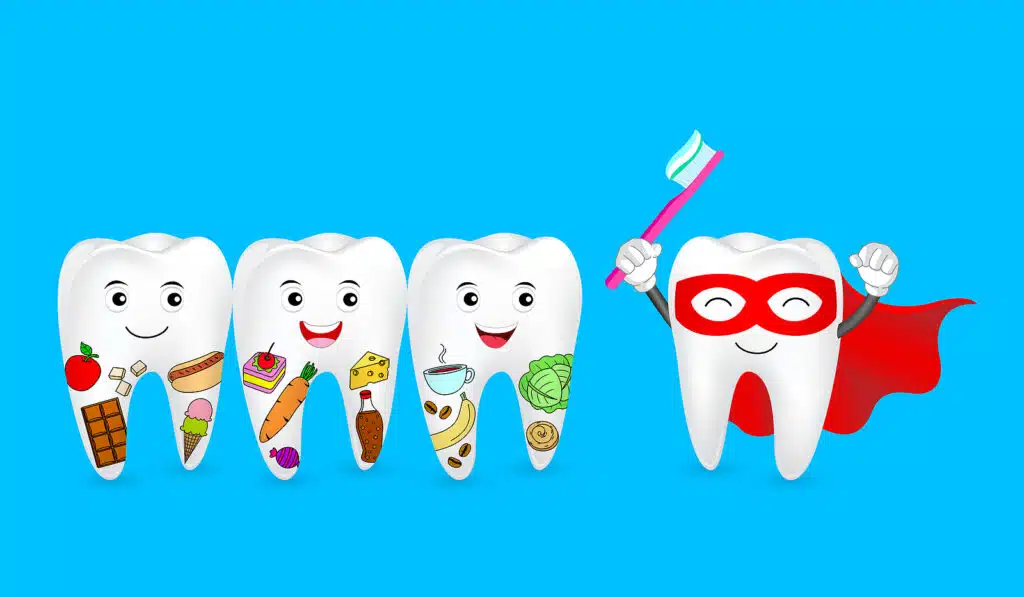
Acidic foods weaken enamel further, increasing sensitivity and making it easier for stains to settle in. Sugary foods encourage plaque buildup, which dulls your smile and increases the risk of discoloration.

Avoiding certain foods, especially in the first 24 to 48 hours, helps lock in your whitening results and protects your oral health.

Foods and Drinks to Avoid After Teeth Whitening

Below are the most common foods and beverages that should be avoided to protect your whitening results.
What food to avoid after your teeth whitening treatment

1. Dark-Colored Beverages

These drinks are among the biggest causes of tooth staining:

  • Coffee
  • Tea (including green and black tea)
  • Red wine
  • Dark sodas
  • Sports and energy drinks
  • Grape or cranberry juice

Even a single cup of coffee can dull your whitening results if consumed too soon after treatment.

2. Deeply Pigmented Foods

Foods with strong color pigments can stain teeth quickly:

  • Tomato sauce and marinara
  • Soy sauce
  • Curry and turmeric-based dishes
  • Beets
  • Dark berries such as blueberries and blackberries

A good rule of thumb: If it can stain a white napkin, it can stain your teeth.

3. Acidic Foods and Condiments

Acidic foods soften enamel and increase sensitivity:

  • Citrus fruits like oranges, lemons, and grapefruit
  • Vinegar-based salad dressings
  • Pickled foods
  • Hot sauce

Acid doesn’t always cause staining, but it weakens enamel, making stains more likely.

4. Sugary and Processed Foods

Sugar fuels bacteria that produce acids, contributing to plaque buildup and discoloration:

  • Candy and sweets
  • Frosting and pastries
  • Colored desserts
  • Sugary cereals

Limiting sugar helps preserve both your whitening results and overall dental health.

5. Tobacco Products

Smoking and chewing tobacco are some of the fastest ways to stain teeth. Tobacco not only darkens enamel but also increases the risk of gum disease and oral cancer. Avoiding tobacco is essential for maintaining a bright, healthy smile.

What You Can Eat After Teeth Whitening

Just because some foods are off-limits doesn’t mean you have to eat bland meals. During the recovery period, focus on light-colored, low-acid foods such as:

  • Plain chicken, turkey, or fish
  • Eggs
  • White rice or plain pasta
  • Mashed potatoes
  • Oatmeal
  • Yogurt, milk, and mild cheeses
  • Bananas and peeled apples
  • White bread

These foods are gentle on enamel and unlikely to stain.

How Long Should You Avoid Staining Foods?

Most dental professionals recommend avoiding staining foods for at least 48 hours after teeth whitening. However, if you want longer-lasting results, limiting dark and acidic foods long-term is a smart habit.

Over time, enamel naturally becomes less porous, but repeated exposure to staining substances can still affect the brightness of your smile.

Helpful Aftercare Tips to Protect Your Whitening Results

In addition to watching your diet, follow these tips to keep your teeth white longer:

  • Drink plenty of water throughout the day
  • Rinse your mouth after meals
  • Use a straw for beverages when possible
  • Brush gently with a soft-bristle toothbrush
  • Avoid aggressive brushing if teeth are sensitive
  • Maintain daily flossing
  • Schedule regular dental cleanings

Good oral hygiene is one of the best ways to maintain whitening results.

Frequently Asked Questions About Foods to Avoid After Teeth Whitening

1. How soon can I drink coffee after teeth whitening?

It’s best to avoid coffee for at least 48 hours. If you drink coffee afterward, rinse with water immediately to reduce staining.

2. Can I eat spicy foods after whitening?

Spicy foods can irritate sensitive teeth and gums. It’s best to wait a couple of days before reintroducing them.

3. Does teeth whitening damage enamel?

Professional whitening does not damage enamel when performed correctly. Sensitivity is temporary and manageable with proper care.

4. Are clear sodas safe after whitening?

Clear sodas may not stain, but they are acidic and can weaken enamel. Water is the safest choice.

5. How long do teeth whitening results last?

Results vary, but with good oral hygiene and mindful eating, whitening can last several months or longer.

Dental Services at Hudson Valley Dental Medicine

At Hudson Valley Dental Medicine, we offer personalized dental care to help patients achieve and maintain healthy, confident smiles.

Teeth Whitening

Our professional whitening in Cortlandt Manor, NY is designed to safely brighten teeth while minimizing sensitivity and protecting enamel.

Cosmetic Dentistry

We offer cosmetic dental services in Cortlandt Manor, NY that enhance the appearance of your smile, helping you feel confident in every interaction.

Keep Your Smile Bright and Healthy

Teeth whitening is an investment in your confidence, and protecting those results starts with proper aftercare. By avoiding staining foods, choosing enamel-friendly options, and maintaining good oral hygiene, you can enjoy your brighter smile for longer.

Schedule your next appointment with Hudson Valley Dental Medicine today to learn more about professional teeth whitening, cosmetic dentistry, and personalized smile care. Our experienced team is here to help you protect your results and keep your smile looking its best.

Dental Crown vs Filling: Which Treatment Is Right for Your Tooth?

Are dental crowns right for you?

When you’re dealing with tooth damage or decay, one of the first decisions we help patients make is whether they need a dental crown or a filling. Both treatments restore your tooth, but they do so in different ways and are suited for different levels of damage. Understanding the advantages of each option can help you feel confident about your treatment plan and long-term oral health.

At Hudson Valley Dental Medicine, we take a personalized approach to recommend what works best for your tooth’s condition, your comfort, and your long-term smile goals.

What’s the Difference Between a Dental Crown and a Filling?

Before deciding between a dental crown vs filling, it’s important to understand how each one works.

What Is a Dental Filling?

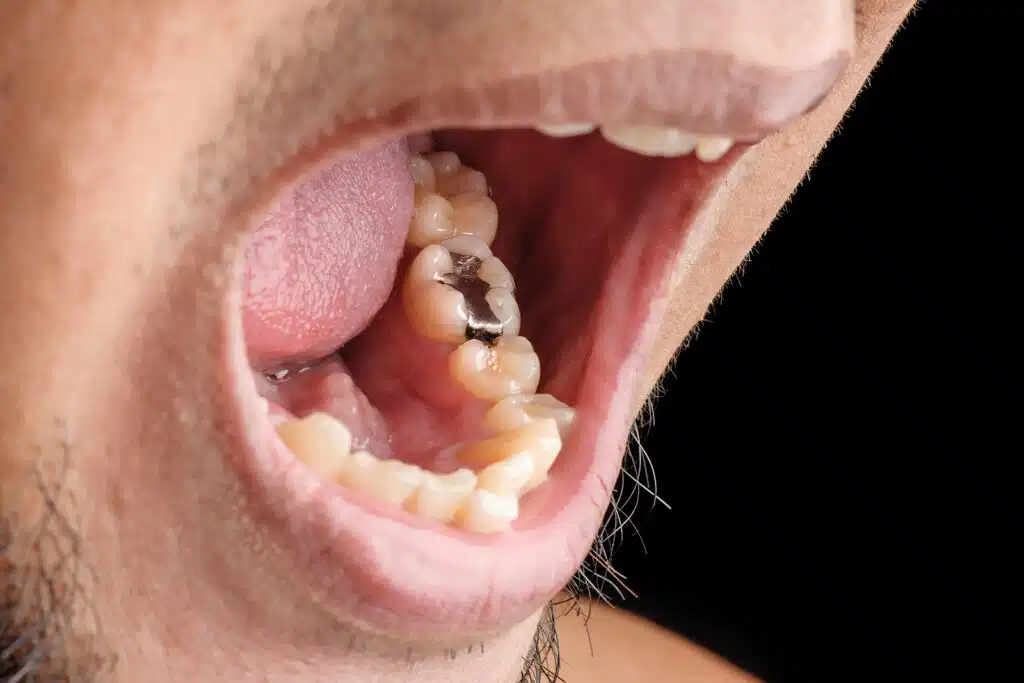
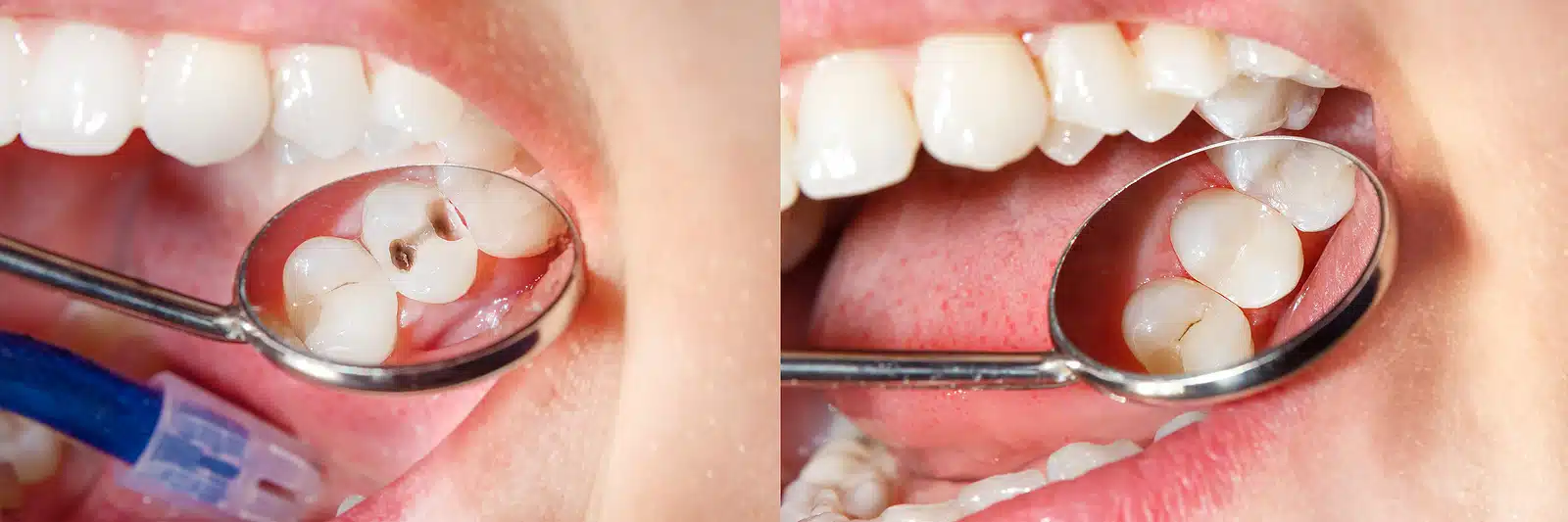
A filling is used to repair small areas of decay or minor tooth damage. After we remove the decayed portion of your tooth, we fill the space with a durable material, usually composite resin, to restore its shape and function.

Fillings are ideal for cavities caught early and for patients who still have plenty of healthy tooth structure.

What Is a Dental Crown?

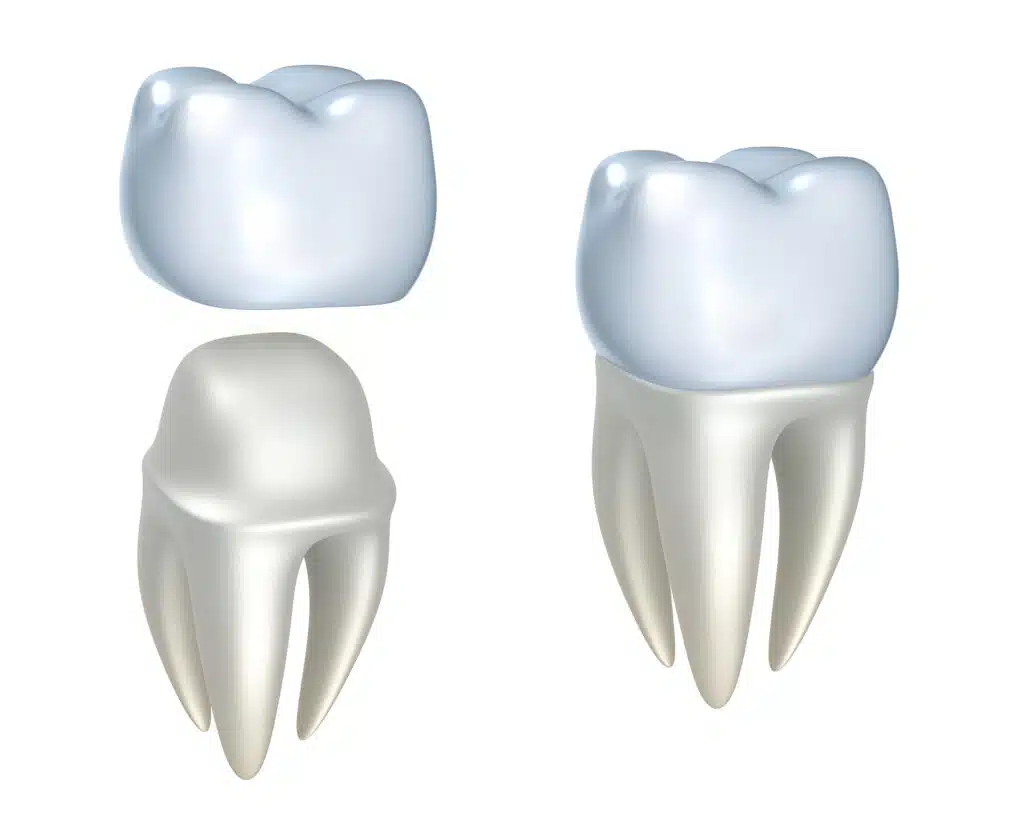
A dental crown is a custom-made cap that covers the entire surface of your tooth. We typically recommend a crown when the tooth is too damaged or weak for a filling to support. Crowns restore strength, protect the remaining tooth structure, and can be made from porcelain, ceramic, or other strong materials that match your natural teeth.

Dental Crown vs Filling: How to Know Which You Need

When do you need a dental crown vs filling

1. Extent of Tooth Damage

  • Best for Fillings:
    Small cavities, minor decay, or tiny chips.
  • Best for Crowns:
    Large cavities, fractures, or teeth weakened by multiple fillings.

2. Long-Term Protection

Fillings restore only the portion of the tooth that was damaged. This works well when the surrounding structure is healthy.

A dental crown, however, offers added protection by covering the entire tooth, making it ideal for teeth weakened by trauma, deep decay, or root canal treatment.

3. Durability and Longevity

While fillings can last several years with good care, they are more vulnerable to wear and tear over time.

Crowns, on the other hand, are designed for long-term strength. With proper care, many crowns last 10–15 years or longer.

4. Cosmetic Appearance

Both fillings and crowns can blend seamlessly with your natural tooth color. However, crowns often deliver a more polished cosmetic result because of their full-tooth coverage and ability to improve shape, strength, and alignment.

5. Pain or Sensitivity

If you experience ongoing temperature sensitivity, sharp pain when chewing, or discomfort around a tooth with a large filling, that tooth may be better protected with a crown.

6. Cost Considerations

Fillings generally cost less than crowns, but the long-term value of a crown may outweigh the initial investment if your tooth is severely damaged. A crown can prevent future fractures or the need for more complex treatment later.

When We Recommend a Filling

Are dental fillings right for you?

We are likely to suggest a filling if:

  • The cavity is small and caught early
  • The tooth still has strong, healthy enamel
  • The damage is limited to the tooth surface
  • You need a quick, minimally invasive solution

A filling is one of the simplest, most efficient dental treatments and is completed in a single visit at our office.

When We Recommend a Dental Crown

A crown is usually recommended when:

  • You have a deep or large cavity
  • A tooth is cracked or severely worn
  • You’ve had a root canal
  • There is little healthy tooth left
  • You want the strongest, longest-lasting option

Crowns give us the ability to save teeth that would otherwise be at risk of breaking or needing extraction.

Services We Offer to Support Your Tooth Restoration

As part of your care, we may also recommend related treatments offered at Hudson Valley Dental Medicine, including:

1. General & Preventive Dentistry

Our preventive services, including cleanings, exams, and cavity detection, help us identify dental issues early so fillings can be used instead of more extensive treatments.

2. Restorative Dentistry

Our restorative services focus on rebuilding damaged teeth using fillings, crowns, bridges, and more. We use advanced techniques and modern materials to ensure strong, natural-looking results tailored to your needs.

How We Help You Decide Between a Crown and a Filling

During your visit, we evaluate several factors to determine the right treatment:

  • X-rays to assess internal damage
  • Tooth structure and stability
  • Previous dental work
  • Bite alignment and chewing pressure
  • Your goals for comfort, function, and appearance

We explain each option clearly so you understand the benefits and long-term expectations of choosing a dental crown vs a filling.

What Happens If You Delay Treatment?

Whether you need a crown or a filling, delaying treatment can cause more complications, including:

  • Increased tooth pain
  • Spread of decay
  • Tooth fracture
  • Need for a root canal
  • Higher treatment costs later

Taking care of the issue early helps protect your oral health and prevents avoidable damage.

FAQs: Dental Crown vs Filling

How do I know if I need a crown instead of a filling?

You may need a crown if the decay or damage is too extensive for a filling to support. If more than half the tooth is compromised or weakened, a crown provides better long-term protection.

Do crowns last longer than fillings?

Yes. Fillings typically last several years, while porcelain or ceramic crowns can last 10–15 years or more with proper care.

Is getting a crown painful?

No. We make the process comfortable by using local anesthesia. Some patients feel mild sensitivity afterward, but it usually goes away within a few days.

Can I choose between a dental crown and a filling myself?

We’ll always explain both options, but ultimately, the best choice depends on the health of your tooth. We help guide you toward the option that keeps your tooth strong and functional long-term.

Are crowns worth the cost?

If the tooth is severely damaged, a crown is often the most cost-effective solution because it prevents further fractures and helps avoid more extensive treatments later.

Schedule Your Dental Evaluation Today

Choosing between a dental crown vs filling depends on the size of the cavity, the condition of your tooth, and your long-term oral health needs. At Hudson Valley Dental Medicine, we focus on preserving as much natural tooth as possible while giving you strong, long-lasting results.

If you’re experiencing tooth pain, sensitivity, or visible decay, we’re here to help you determine the best treatment for your smile.Contact us today for personalized dental care.

Looking for a Dentist?

We’re always welcoming new patients! At our practice, we’re committed to delivering exceptional care to every patient—both new and existing. Experience the difference and see what sets us apart.
Current Patient:

914-737-5421

New Patient:
914-604-4706

© 2026 Hudson Valley Dental Medicine | Orthodontic Marketing & Website Design by Ortho Marketing | Privacy Policy